

Opinion - The Xbox Reset
The Chaotic Start of the Asha Era Reveals A lot

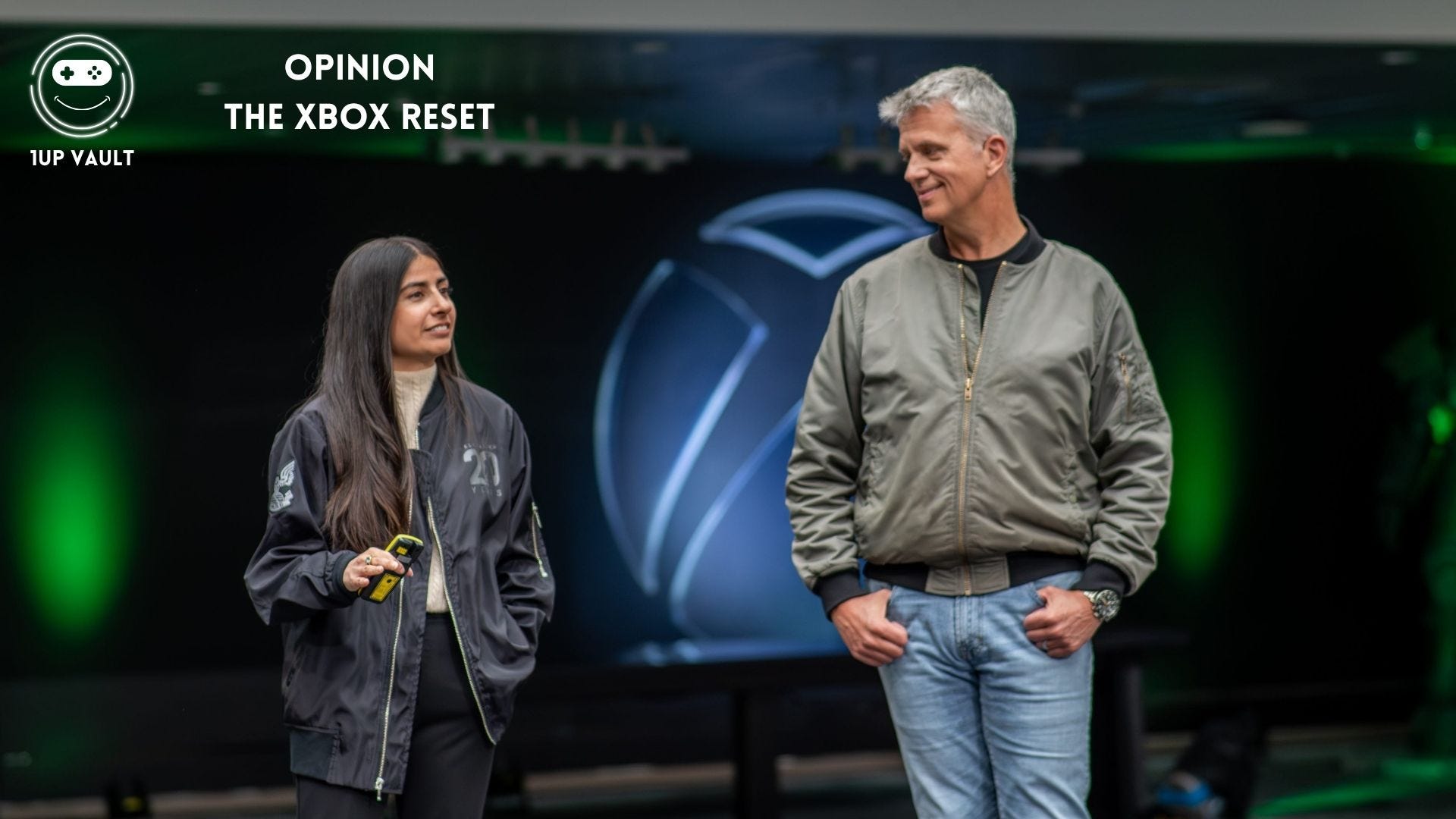
There has been a lot going on at Xbox as we hit the midway point of Asha Sharma’s first year as CEO. Following a campaign of small victories and brand marketing, we are now in what she calls the “Xbox reset”. This is apparently a painful set of choices to right the brand's financial ship, which has recently been revealed to be mostly subsidized by Activision-Blizzard. As the Xbox reset continues and we get more insights into the platform’s challenges, I wanted to look at what we are seeing, my personal reassessment of Phil Spencer’s legacy, as well as my changing view of Game Pass, and yes, there’ll be some history nerd stuff to help explain some of this along the way.
Re-Assessing the Phil Spencer Era
A while ago, I wrote an article comparing Phil Spencer to one of my favorite CEOs in business history, former Walt Disney CEO Michael Eisner. Eisner was the CEO during the Disney Renaissance, which saw the company deliver some of its greatest films, expand its parks, enter the cruise ship market, and transform itself from a small family company into a corporate powerhouse. My belief was, like Eisner's, that Phil was the man who came in during a rough time and saved the company, setting it on course for a strong future. However, I did warn that as great as Eisner was for Disney, his end was not good. The company began to take a financial hit as it had underperforming films, and Eisner would stubbornly cut back plans for more park expansions. Eventually, Walt’s own nephew led a revolt that kicked him out, and hence the start of the Bob Iger era. Like Eisner, Phil’s ending has not been great. However, Eisner is now recognized as one of the most important figures in Disney’s history, and his legacy has grown. Is that what Phil has to look forward to?
Well, now we have more clarity on what the hell was going on in the second half of his tenure, which, in my opinion, is where his legacy starts to take a hit. Sometime in the late 2010s, Phil decided to make Game Pass the brand's main focus. Phil’s focus was on getting as many studios as possible to feed into Game Pass, and he told them not to worry about budgets. This is why they didn’t mind buying arthouse-style thinkers who were going to make more niche games. Phil also pushed for the typical Halo, Gears, and Forza as well. The Bethesda acquisition was a big part of Game Pass's expansion by acquiring franchises like Fallout and Elder Scrolls. Unfortunately, Game Pass wasn’t growing as they wanted, so he threw a Hail Mary and bought Activision Blizzard. Essentially, Phil and Sarah Bond were trying to make Xbox into gaming’s Netflix. Along the way, the studios were left to their own devices, with Phil now reported to have been a little too hands-off. The makers of games like Halo suffered from a lack of focus.
In the end, Phil’s near decade push to create gaming’s Spotify or Netflix failed, and it was time to admit it. This led to Phil’s retirement and Sarah's departure, paving the way for Asha's appointment. Basically, Phil tried to make Netflix, and after constant tries, it was time to admit it wasn’t happening. Now, I have been on record defending Game Pass. However, I did not realize just how tied the service was to Xbox’s future. My defense of the service has always been its accessibility for less affluent gamers, as well as children who can’t get their parents to buy them every major game. I still, to this day, will defend that as pro to Game Pass, and I want the service to continue, even in a lesser form, to help those people. I also still don’t fully buy that Game Pass is the sole reason games fail, especially when plenty of games found success despite being on the service.
However, Game Pass as the main platform was always a dumb idea. That only works in a world where cloud gaming has had its mainstream breakthrough moment (it hasn’t), and where the Xbox console can sell over 100 million units to have a real chance at 100+ million subscribers. You can’t do that with the cloud still so new, and by stopping focus on the hardware that’s going to attract potential users. All in all, the decision to go all in on Game Pass, despite my personal defense and views on it, was a TERRIBLE idea, and I would have told them the same thing if I were in those meetings. Add in the hands-off approach and letting too many studios go over budget and past deadlines, and I can easily say that Phil Spencer’s greatest failure was on the management and planning side.
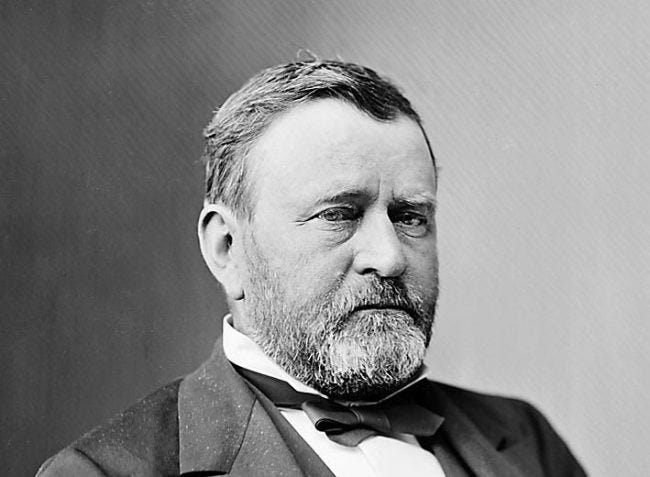
This is why, as I get a better image of Phil’s era at Xbox, I think a better comparison for him is President and war hero Ulysses S. Grant. Despite Grant’s fame as a war hero during the Civil War, he left office as a deeply unpopular President who had left the country in a deep economic depression and with a scandal-plagued administration, not because of himself, but because of his cabinet, who were constantly found to be enriching themselves. Grant was so unpopular that his Republican party suffered, and its nominee, Rutherford B. Hayes, won the most controversial election in United States history. Forget about 2000 or 1960; the 1876 election is so controversial that some historians are willing to say it may be the only truly stolen election we’ve had. Even so, Hayes lost the popular vote, and the northern progressive Republicans were forced to make a deal with the southern Democrats to kick out troops from the South, starting the era of Jim Crow. Needless to say, the moment historians started ranking Presidents in the 1940s… Grant started at the bottom pile.
However, Grant’s legacy has seen a MASSIVE resurgence, which started around the start of Barack Obama’s term. See, modern historians still criticize Grant’s failures to manage his cabinet and his leaving a rough economy, but they were also more open to his triumphs. He had been the president who began reaching out to normalize relations with Native tribes. He was the president who defended newly freed slaves and posted troops to protect them and fight the newly formed organization, the Ku Klux Klan. Grant had an even hand in foreign policy and prevented a war in Europe. He signed legislation establishing Yellowstone National Park. He was also the man who pushed for the Fourteenth Amendment's acceptance. Today, Grant has moved from the bottom ten to the top twenty and is climbing.
I believe that Phil’s push for Game Pass as the main focus of Xbox and his horrible mismanagement of studios and hands-off approach will continue to age like milk, and that’s going to be part of his legacy no matter what. However, like Grant, I do think over time, as the passions wear down, people will be fairer on some of his positives. Phil may have left Xbox weaker in hardware, but he did leave it pretty powerful in terms of influence and overall financial growth. Phil saved Xbox after the DRM debacle, cultivated a strong bond with the fanbase, pushed for PC gaming, and was a positive face for a generation of gamers in the era of the Bobby Koticks of the world. For me personally, his real contribution to gaming was helping move the dialogue between the console makers beyond the pot-shot taking days of the console wars, as he led the idea of acknowledging gaming as more than just console brands, something Shawn Layden could learn a thing or two from.
I think Phil’s legacy is one of growth and influence, but ending with a refusal to see that his core strategy was failing, and that now rests in the hands of Asha Sharma.
Prediction?… Pain
It’s too early to assess Asha Sharma’s legacy, but I can tell you that the coming year and a half are going to be more painful than happy. We are already seeing some of that with studios being spun off or sold, and thousands of people losing their jobs. Now, I want to make clear that I am not happy or celebrating people losing their jobs, but there’s that business brain that says these moves, as painful as they are, make sense. Phil’s hands-off approach led to studios that didn’t manage their timelines and budget well, and no game showed that more than Perfect Dark. The fact that the game went on for years and years with no credible strategy or plan is atrocious. While I want to save people’s jobs and keep studios open, I do understand that at a certain point you have to make the decision that it’s not working and move on.
It seems Xbox’s strategy, at least short term, is to focus on the big boys - Halo, Gears of War, Fable, Forza Horizon, Call of Duty, Elder Scrolls, Fallout, and more. This means we are going to see studios focused on clearer franchises, and I’m guessing tighter deadlines and budgets. This sucks for the creativity of the South of Midnight and Hellblade II days, but those days are gone. No one is more disappointed by that than me, as someone who fell in love with the smaller games they were making, but again, I understand it. I also want to quickly point out, since we are on the topic, that the people saying it’s good to get rid of these studios because they didn’t know how to make money go kick rocks. Video games are, first and foremost, an art form that just happens to require a lot of money to materialize. Belittling and focusing solely on the money aspect is shortsighted and as annoying as some of the movie box office debates I see these days.
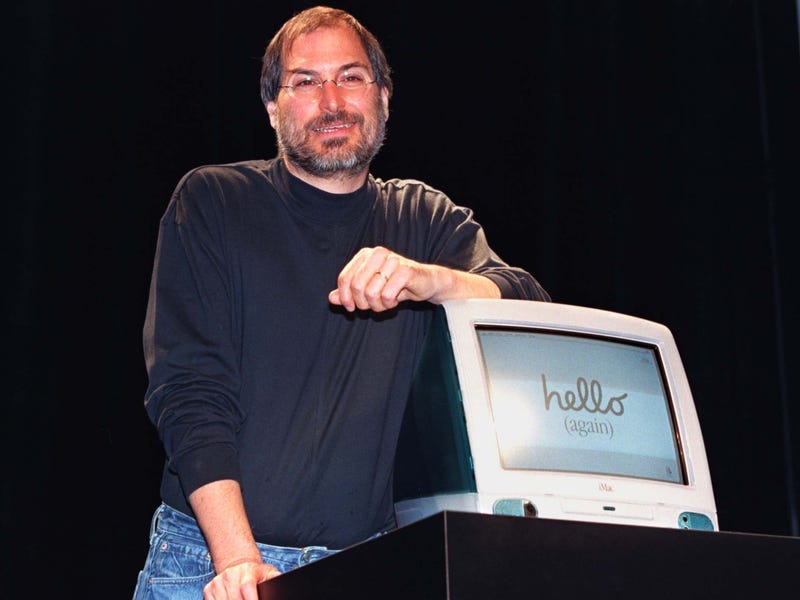
In many ways, Asha is currently on a path to doing what Steve Jobs did. When Jobs returned to Apple, the company was on the verge of bankruptcy. To save it, he cut costs sharply and canceled almost every product they had. He also had to make peace with rival Bill Gates and Microsoft, and allow Microsoft to buy some shares and provide them with some help. That helped Bill too, because he was trying to get the US government off his back, so he wanted to appear not to be trying to create a monopoly. Go back and look at those days; Apple’s future looked doubtful. Eventually, we all know what happened, and it’s the most powerful tech company today. Now, will this be what happens when Asha is done? I can’t see it yet, but it can be if she has a plan.
One thing I will give Asha is that she clearly has a very specific plan, which seems to be more detailed than Phil's. Phil’s plan was based on the hope that they would make the Netflix of video games, and Asha seems to be playing it safe by focusing on core franchises and attempting to increase return on investment. That doesn’t mean you can’t be mad at her for the layoffs or some of her doublespeak, saying gaming is getting too expensive and then hiking up Xbox prices yet again. Trust me, there have been moments that make me roll my eyes. The problem is that Asha, at times, runs things like a venture capital firm (something I abhor to my core), and that’s worrisome. However, maybe she pulls out of this looking like 1990s Steve Jobs saving Apple. For now, there’s going to be a lot of pain, and a year from now the clouds will either be angrier or the sun will start peeking out; we can only wait.
Lastly, don’t get me wrong - while my business and analytical brain sees why the painful Xbox reset is necessary, it doesn’t change the severe criticism I have. This is Microsoft, one of the richest companies in the world, and one of the reasons for the memory and storage crisis; it’s hard for me to feel sorry when they write letters claiming to be struggling. While gaming consoles do subsidize the platform, I would argue it’s not as aggressive as it was in the past, because the arrow must go up. Maybe you can make a point for Sony, and certainly a games only company like Nintendo, but if anyone can afford to take a hit to sell systems to less affluent customers and save most employees, it's Microsoft.
Better Days Hopefully Ahead
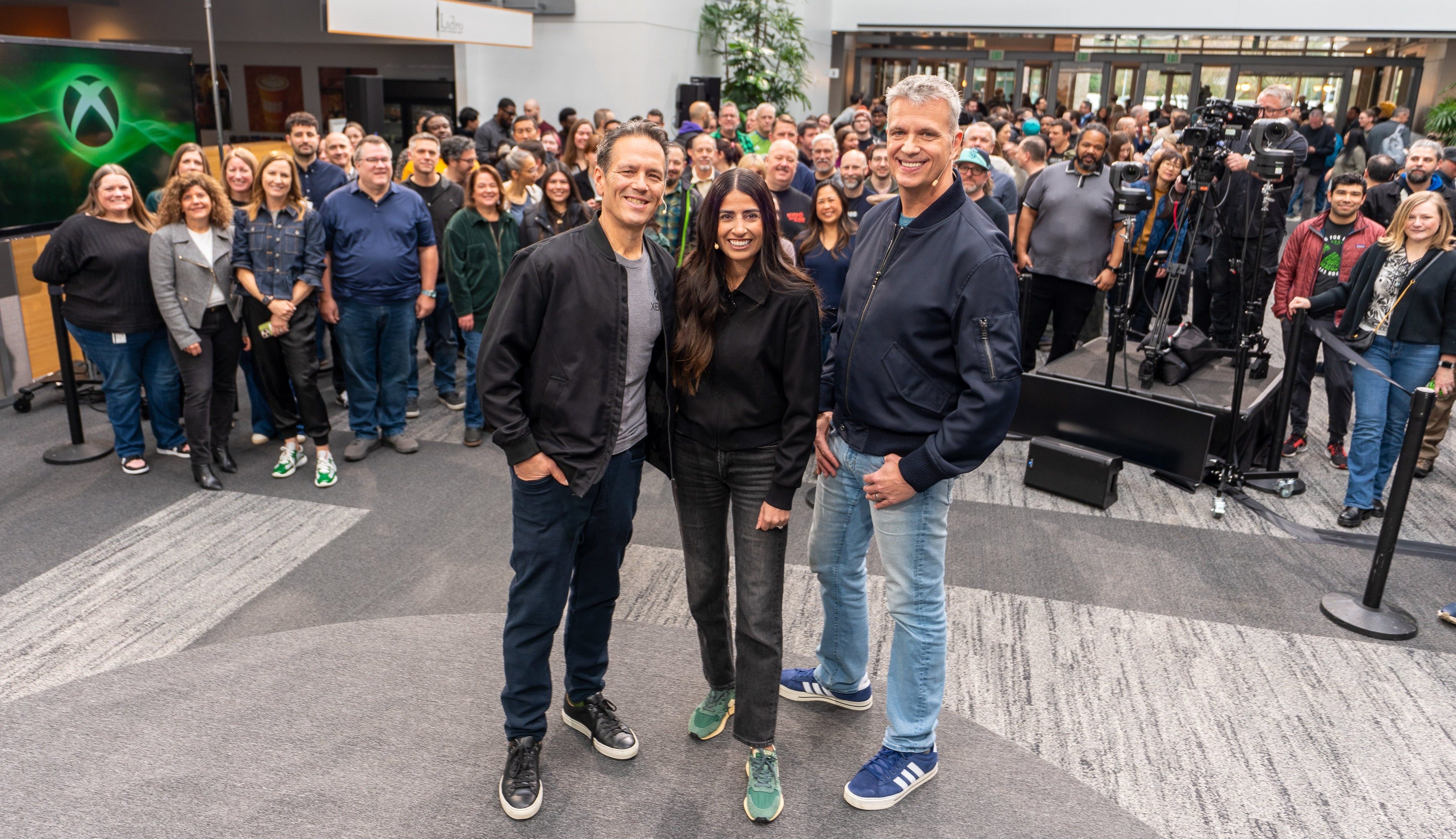
There are still rough waters ahead for Xbox before we get a clear assessment of the brand's future. We still have what, in my 37 years of life, will be the least hyped new generation I’ve ever seen gamers ready for, a potentially expensive as hell new console, and questions about whether it's too little too late to move back to a hardware-focused strategy. As I said, it’s going to be pain for now before we see any relief. My hope is that when Xbox’s 30th anniversary arrives, we look back and say, “Wow! Asha was the best thing to happen to Xbox!” What I do know is that Xbox can’t survive another decade of questions and controversies. At a certain point, it’s just too much damage. Even if Xbox isn’t your bag, you should want a strong Xbox because strong competition is good. You want prices to come down when the AI hikes go away? You need competition that offers price cuts, because Sony isn’t the only name in town when it comes to premium, TV-focused game consoles. Let’s hope the reset leads to a golden age, or at least, a consistently strong Xbox.
Well said and balanced. I like how you compare to history, because a lot of events tend to be cyclical in the end - it's almost like we never learn!
It's fun to rant in this way, but I highly doubt there are a huge number of evil masterminds running these companies, just normal people who make a choice and deal with the consequences of those actions. You are good at reminding us that.
Great article JM! There's a part of me that hopes Microsoft will spin Xbox off into its own thing. Ironically, Microsoft owning Xbox seems like the worst thing for it at this point, but who knows. Like you said, hopefully that will change a year from now.