

Strachey's Game List - 1989
The Most Consequential Games of All-Time

Strachey’s List is my list of the most acclaimed, consequential, and influential titles of all time. There is a max limit of 20 games per year. As always, this is all my opinion and research. The list is named after Christopher Strachey, the first video game developer.
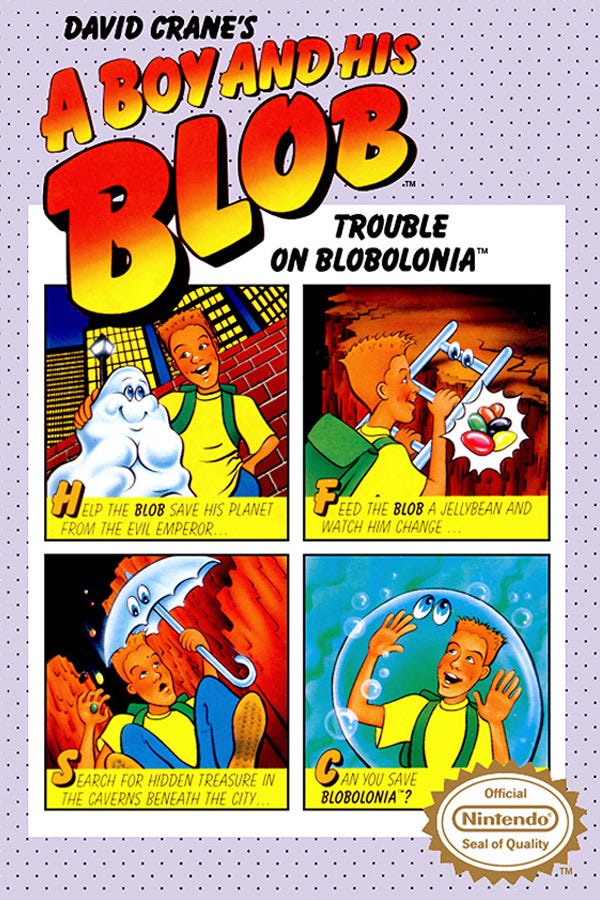
A Boy and His Blob
December 1989 - Absolute Entertainment / Nintendo / Jaleco
Key People: David Crane, Gary Kitchen
Created by the same mind behind Pitfall!, A Boy and His Blob is about a teenage boy who meets a blob-like alien creature that needs help saving its planet. The blob van shapeshifts and aids traversal. The gameplay revolves around using special candies like peppermints and jelly beans. The game was beloved when it came out, but it has received a mixed reception from today’s retro gamers. It’s been cited as an inspiration for games that have sidekicks or accompany a character. It’s been referenced in several works of pop culture and has spawned remakes and spin-offs.
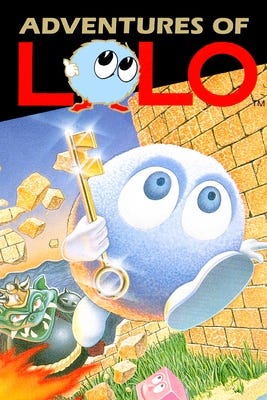
Adventures of Lolo
April 1989 - HAL Laboratory
Key People: Hideki Kanazashi
The evil King Egger kidnaps Princess Lala, which sets off Lolo, an anthropomorphic round creature, to save her. The game features puzzles in rooms to collect heart pieces and open a chest with a gem to pass to the next level. Developed by HAL Laboratory, the characters Lolo and Lala have appeared in Kirby games, and a franchise was born that has recently gained more notoriety among Nintendo fans.
Batman: The Video Game
December 22, 1989 - Sunsoft
Key People: Kazutomo Mori, Masayuki Takatsuji, Naoki Kodaka
While technically sold and developed as an adaptation of the 1989 Tim Burton classic, this game uses the movie's marketing but has its own plot. The game draws inspiration from the film but features Batman fighting multiple low-level and forgotten villains, though the Joker remains the big bad. The game’s tie-in to the popular movie and the great reviews made it a big success for the NES, coming out at the peak of NES fever in America. It’s now seen as a solid early licensed IP game.
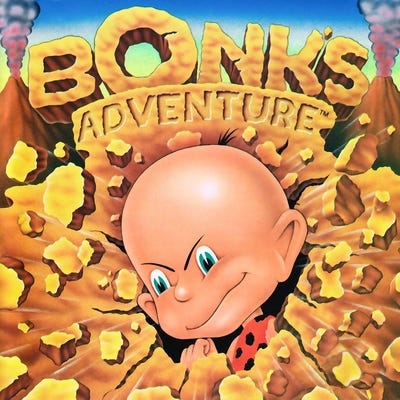
Bonk’s Adventure
December 15, 1989 - Hudson Soft, NEC / Red Company, Atlus, Factor 5
Key People: Tsukasa Masuko
Taking place during prehistoric times, Bonk, a caveboy goes on an adventure to rescue a princess from a T-Rex-like creature named King Drool. An early sidescrolling platformer, the game plays similarly to those of the 8-bit era. The game was one of the major titles for the PC Engine/TurboGrafx-16, but eventually made its way to other platforms. It’s now seen as a cult classic and a brand image of the TurboGrafx-16, as that console has become increasingly well-known as gamers look back at gaming history.
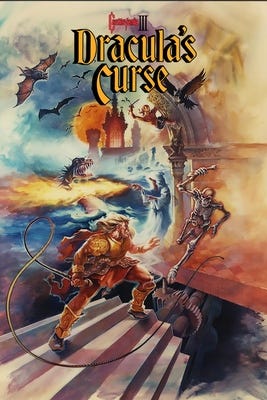
Castlevania III: Dracula’s Curse
December 22, 1989 - Konami
Key People: Hitoshi Akamatsu
In the prequel to the original Castlevania games, you play as Trevor Belmont, who forms a group with sorceress Sypha, the pirate Grant, and Dracula’s son Alucard to stop Dracula’s rampage across Europe. It follows the formula of the original Castlevania over the sequel’s RPG aspects. It does have multiple endings depending on which ally you have with you. While the game is remembered for its extreme difficulty and is part of the “NES hard” type of games, it’s still part of an era of the series that many fans miss these days. It’s also the game that was adapted for the critically successful Netflix series of Castlevania.
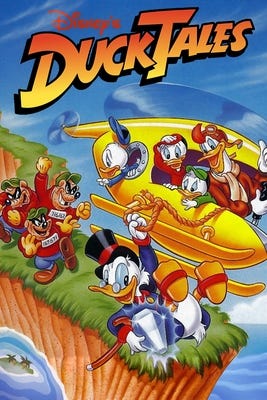
DuckTales
October 1989 - Capcom
Key People: Tokuro Fujiwara, Keiji Inafune, Hiroshige Tonomura
Another stellar adaptation of a late-eighties classic, based on the popular TV show that has echoed as a part of many Millennial childhoods. Capcom brought in a good portion of the same team that made the Mega Man games to develop the game. You play as Scrooge McDuck and travel the world in a platformer. The game was another one that came at the right time and was part of the peak of the NES era in America. The soundtrack is one of the best for the 8-bit generation, and the “Moon" theme has specifically gone down as one of the more popular video game scores. Today, Ducktales is seen as one of the best IP-based video game adaptations of all time, and even received a well-received remake (though it was titled Remastered) in 2013.
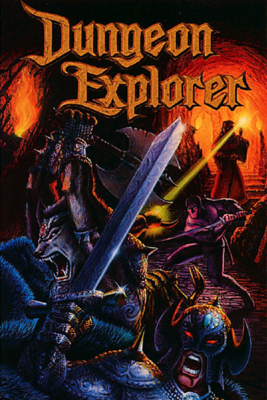
Dungeon Explorer
March 4, 1989 - Atlus, Hudson Soft, NEC
Key People: Kazutoshi Ueda, Yosuke Niino
With an alien race now running the world, a set of heroes set out to find the Ora Stone for the king and restore peace to the world. It plays as a dungeon crawler with hack-and-slash combat. It takes a top-down perspective and shares many similarities with Gauntlet. The game is now seen as a hugely inspirational title, and many of its developers would go on to work on the Megami Tensei franchise. It’s now seen as a great early action RPG game.
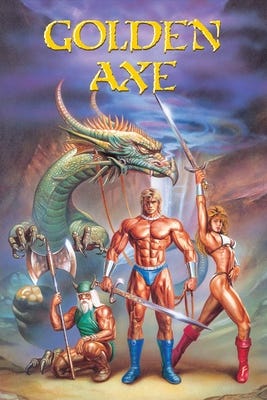
Golden Axe
January 27, 1989 - Sega
Key People: Makoto Uchida
A group of heroes sets out in a medieval fantasy world to confront an evil villain who wields the Golden Axe, a powerful weapon capable of destroying the world. It’s pretty much a beat-em-up, but within a high fantasy aesthetic. It’s also obvious that there is a considerable influence from Conan the Barbarian. You traverse through levels, taking on enemies in a sidescroller. This became a big hit for Sega and is fondly remembered by many of the first Sega fans of the emerging console war. It went on to become a major franchise for the company and its Sega Mega Drive/ Genesis gaming console.
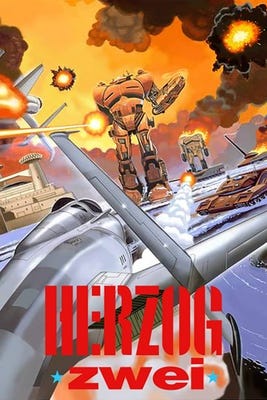
Herzog Zwei
December 15, 1989 - Sega, Technosoft
Key People: Takashi Iwanaga
This mech-based real-time strategy title is credited with helping set the precedents for real-time strategy games and MOBA titles as well. While not a success at its initial release, it went on to be featured in many greatest games lists and is often brought up among RTS fans. Warcraft has been cited as a game inspired by Herzog Zwei. While not one of the most remembered games of all time, developers across the industry have cited it as one of the most critical games in the history of the industry for what it did for strategy games.
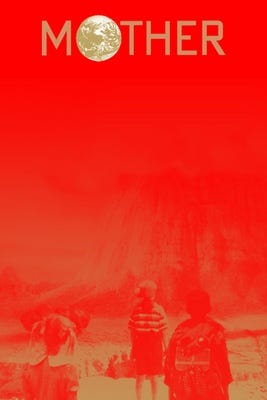
Mother (Earthbound Beginnings)
July 27, 1989 - Nintendo, Ape Inc.
Key People: Shigesato Itoi, Shigeru Miyamoto, Keiichi Suzuki, Hirokazu Tanaka
A young boy named Ninten, with psychic powers, is sent on an adventure to investigate occurrences across America by his father. The story from there includes multiple side characters, memorable moments, and a lengthy narrative. Created by actor and copywriter Shigesato Itoi, the game would launch a trilogy that became a massive cult classic. It is also the debut of my favorite video game score of all time, “Pollyanna.” Due to the game including some mature content and religious iconography, it was only released in Japan before its 2015 release on the Wii U Virtual Console as EarthBound Beginnings. Side note, the developer Ape Inc. and others that worked on this game, would go on to help make the Pokemon franchise.
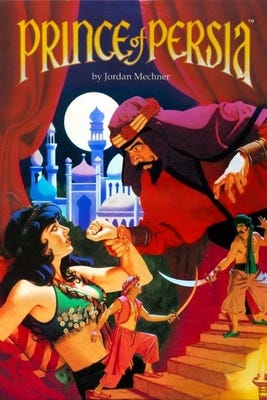
Prince of Persia
October 3, 1989 - Broderbund
Key People: Jordan Mechner, Francis Mechner
In Persia, a hero goes out on an adventure to defeat the Grand Vizier Jafar to save a princess. It uses rotoscoping to produce realistic animations, with Mechner using his brother as a stand-in for points of reference. You have to go through dungeon floors to get to a fortress by a time limit, avoiding traps and swordsmen. A major influence for many games in the future and the start of a major franchise, Prince of Persia is one of the more consequential titles on the list. It’s had numerous ports and remasters.
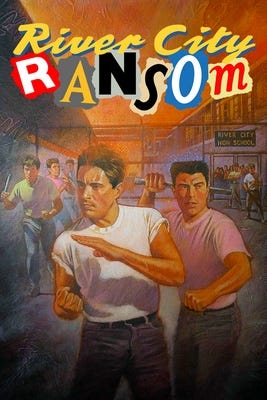
River City Ransom
April 25, 1989 - Technos Japan
Key People: Mitsuhiro Yoshida, Hiroyuki Sekimoto, Kazuo Sawa
A semi-open world beat-em-up, River City Ransom has become a classic among retro gamers. Alex and Ryan are students who have to get to high school to save Ryan’s girlfriend from a gang. As you traverse the city, you’ll be able to upgrade your stats, learn abilities, and gain better health and more. The action game was a big success in Japan, but took a while to gain popularity in the West. Today, the game is often mentioned when discussing the 8-bit beat-em-up golden age.
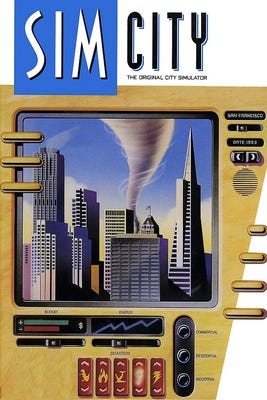
SimCity
February 1989 - Maxis
Key People: Will Wright
Created by legit engineering smart guy Will Wright, SimCity has you create a city to manage, including managing taxes and boosting quality of life. The team had trouble getting a publisher due to fear that it would come off as boring and lose money. Finally, after its release, it did have poor sales initially but got a second wind with a Super Nintendo port that went on to sell close to two million copies and became a classic. The game would start a franchise and lead to the spinoff game, The Sims.
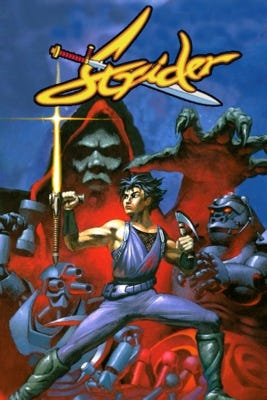
Strider
January 1989 - Capcom
Key People: Kouichi Yotsui, Tokuro Fujiwara, Shinichi Yoshimoto
In a world ruled by Grandmaster Meio, Strider Hiryu begins a journey of hack-and-slash action to take him down and end his reign. A high-action title pioneer, Strider was released in arcades and made its way to Sega consoles, where it truly made a name for itself. The Genesis port even received some awards from several publications, including Game of the Year from the classic gaming magazine EGM.
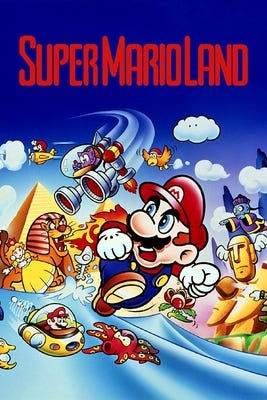
Super Mario Land
April 21, 1989 - Nintendo
Key People: Gunpei Yokoi, Satoru Okada, Hirokazu “Hip“ Tanaka
Originally conceived to be a pack-in title with Nintendo’s new Game Boy, before Henk Rogers convinced Nintendo to package Tetris instead, Super Mario Land is the first Mario game that was created by Shigeru Miyamoto. The company was internally polarized on the Game Boy, so system designer and the man that taught Miyamoto everything, Gunpei Yokoi, set out to make a Mario game. Despite the technical limitations and challenges, they were able to make Super Mario Land. The game has Mario go to Sarasaland to save the kidnapped Princess Daisy, who has become a known side character in the franchise since then. It has a classic soundtrack and is known as a very un-Mario-like title with a minimalist art design, features shooting levels, and more out of the box ideas. Today, the game is seen as a Game Boy classic.
Super Monaco GP
June 1989 - Sega
Key People: Hisao Oguchi
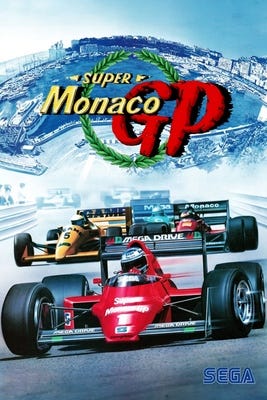
Super Monaco GP is a Formula One simulator that plays best in the arcade but became popular among early Sega Genesis owners. Another inspiration for future serious driving simulators such as Gran Turismo, Super Monaco GP received good reviews and earned fans by trying to be as realistic as possible. It also used fictional versions of real brands to achieve that realism. It’s one of the best-selling games of the Genesis and a significant part of early 16-bit era gaming.
Sweet Home
December 15, 1989 - Capcom
Key People: Tokuro Fujiwara, Juzo Itami, Junko Tamiya
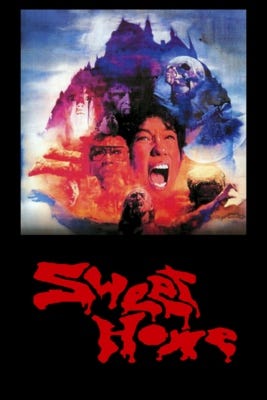
Based on a movie of the same name, five filmmakers seek out hidden fresco paintings inside a mansion. You navigate through the mansion, avoiding obstacles and dealing with supernatural enemies as you search for a way out. The RPG has five different endings depending on the fate of the five filmmakers. Credited by some as the first survival horror game, Sweet Home is hugely influential to the horror genre. Fujiwara would go on to create Resident Evil, originally conceived as a remake of Sweet Home. No doubt , this is a critical game for the horror genre.
Teenage Mutant Ninja Turtles
May 12, 1989 - Konami
Key People: H. Ohyama, Mutsuhiko Izumi, Miki Higashino
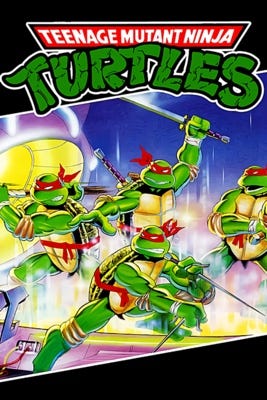
Coming out during the peak of popularity for the franchise, this is the video game adaptation of the titular cartoon and characters. It’s an action game with several levels, as you explore streets and sewers to rescue April and take on Shredder. It received great reception and also became one of the more successful NES titles. It was also used during the early console wars as Sega attacked the slow sales of the NES in Europe, but a bundled console with this game included led to a bump in sales, making Sega look bad in one of the first shots fired between Nintendo and Sega.